manufacturing workforce design

Fix materials handling labor bottlenecks before the line slows.

Jo helps manufacturers map where labor, materials, handoffs, and documentation slow throughput, then designs a Human + Machine staffing model around the constraint.

problem.

Production bottlenecks often start before the work reaches the line.

Materials handling, shift handoffs, quality checks, temp labor churn, and missing job documentation can drain production capacity before operators touch the work.

LaborMap™ separates work that requires human answerability from repeatable execution work that can be supported by machine staffing and human oversight.

01

Discover

find the constraint

Use LaborMap™ to locate where the work slows down and what it costs.

02

Design

choose the work mix

Decide what stays human and what moves to machine execution.

03

Deploy

recover capacity

Tie the plan to coverage, quality, risk, and margin recovery.

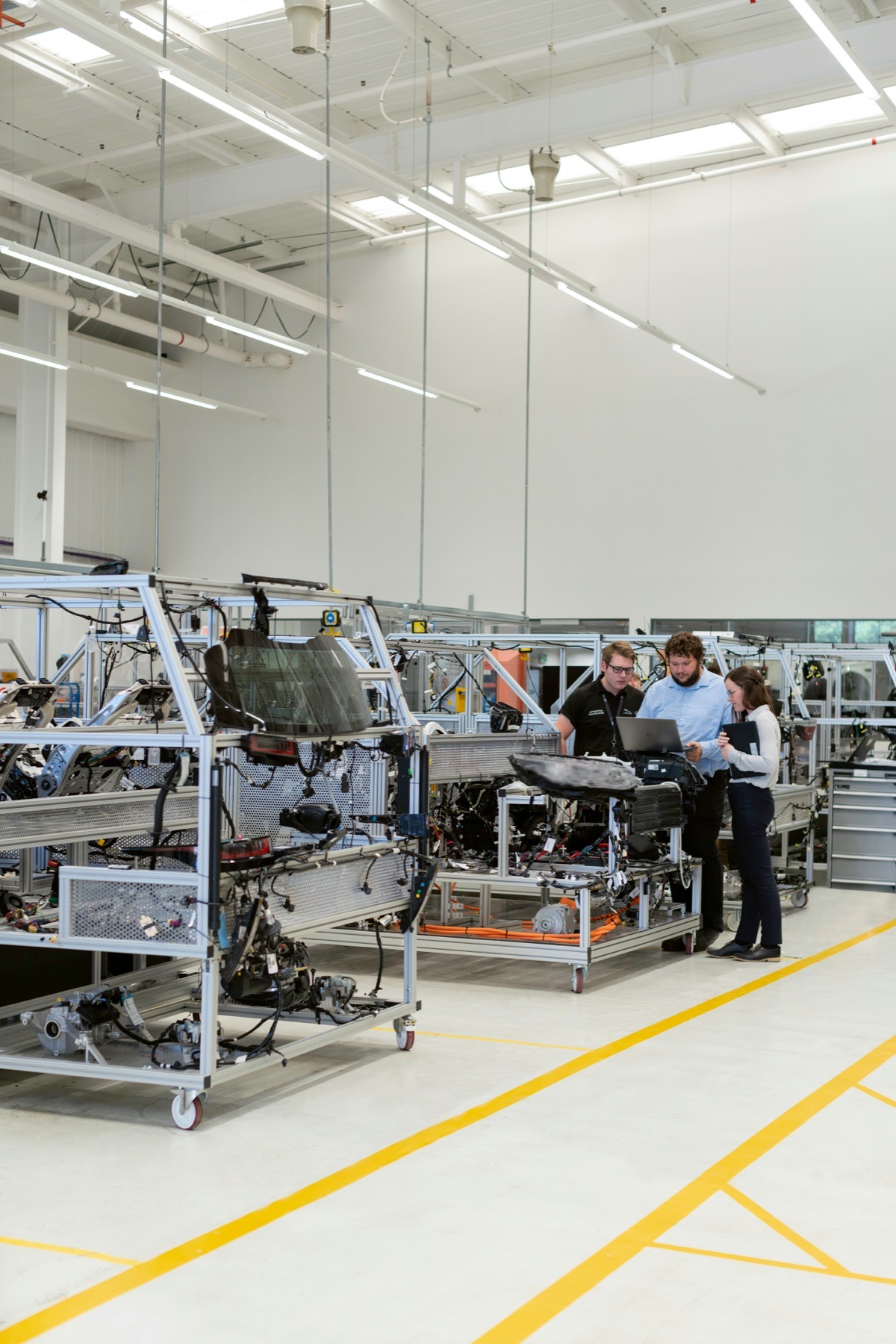
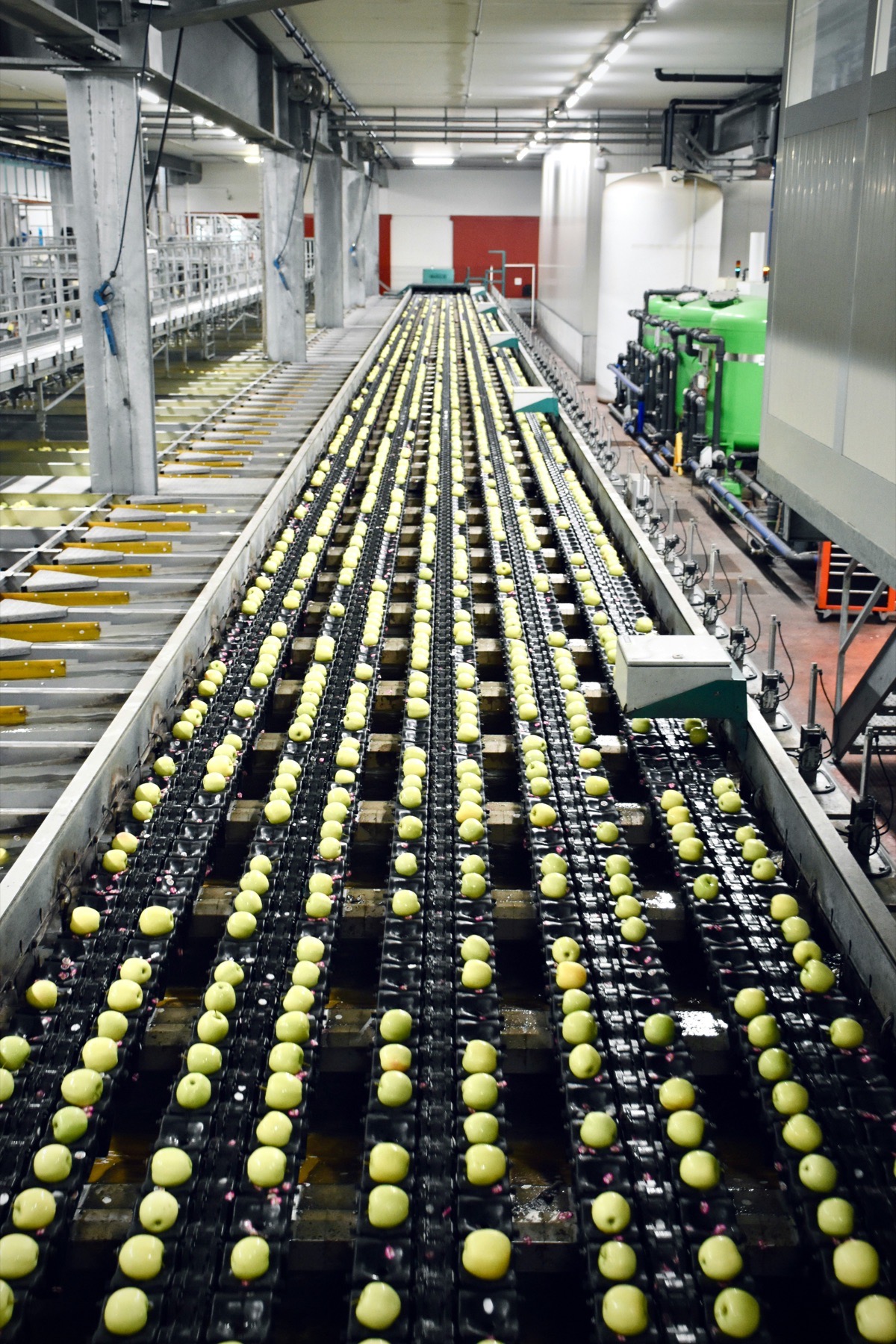
Manufacturing plant floor operationsIndustrial engineering and production environment

context.

Protect the handoff layer before it slows the line.

Manufacturers need to know where production work is being slowed by materials movement, temp labor churn, quality checks, safety records, and shift coordination.

The page should connect every promise back to throughput, quality, safety, coverage, and operational cost recovery.

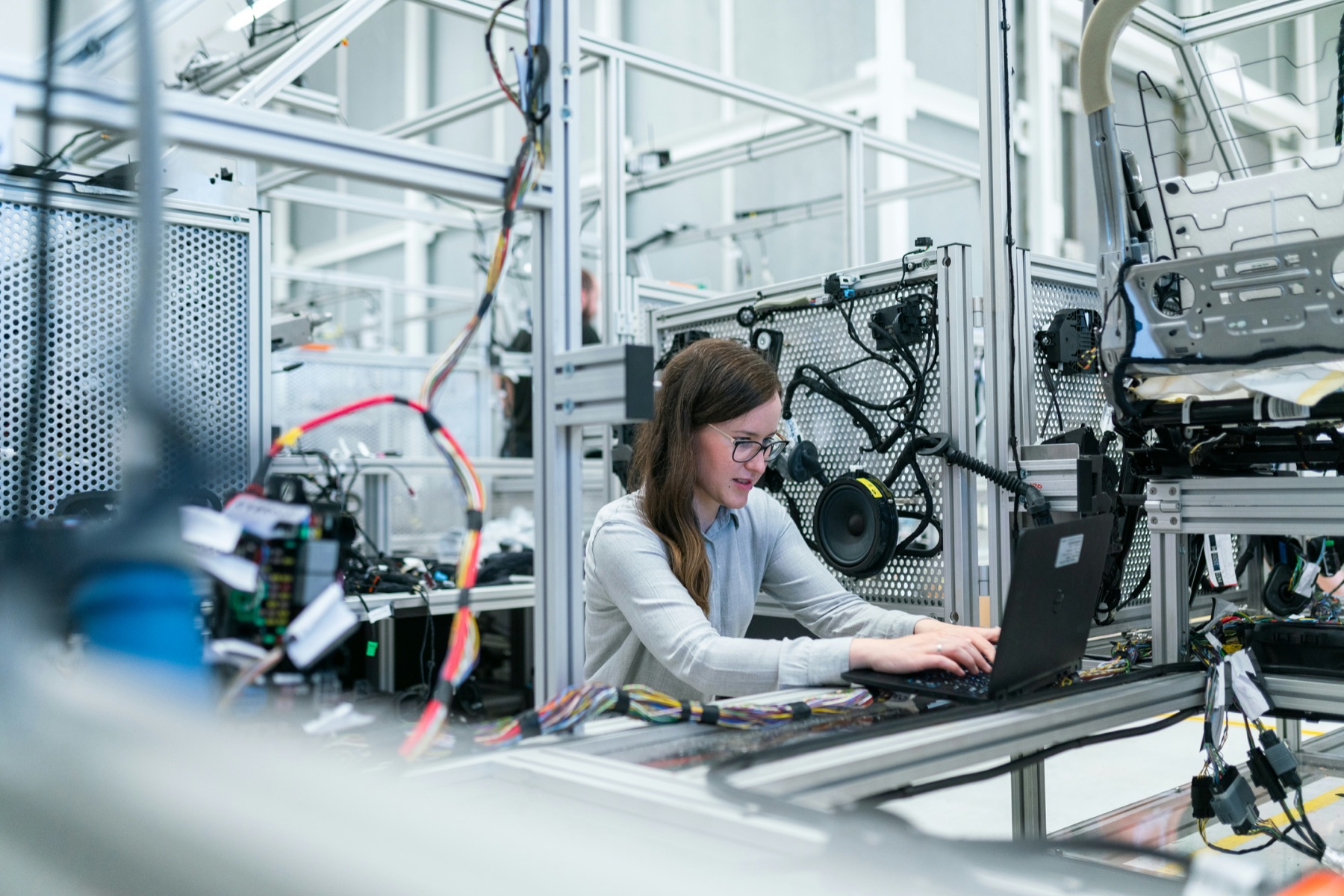
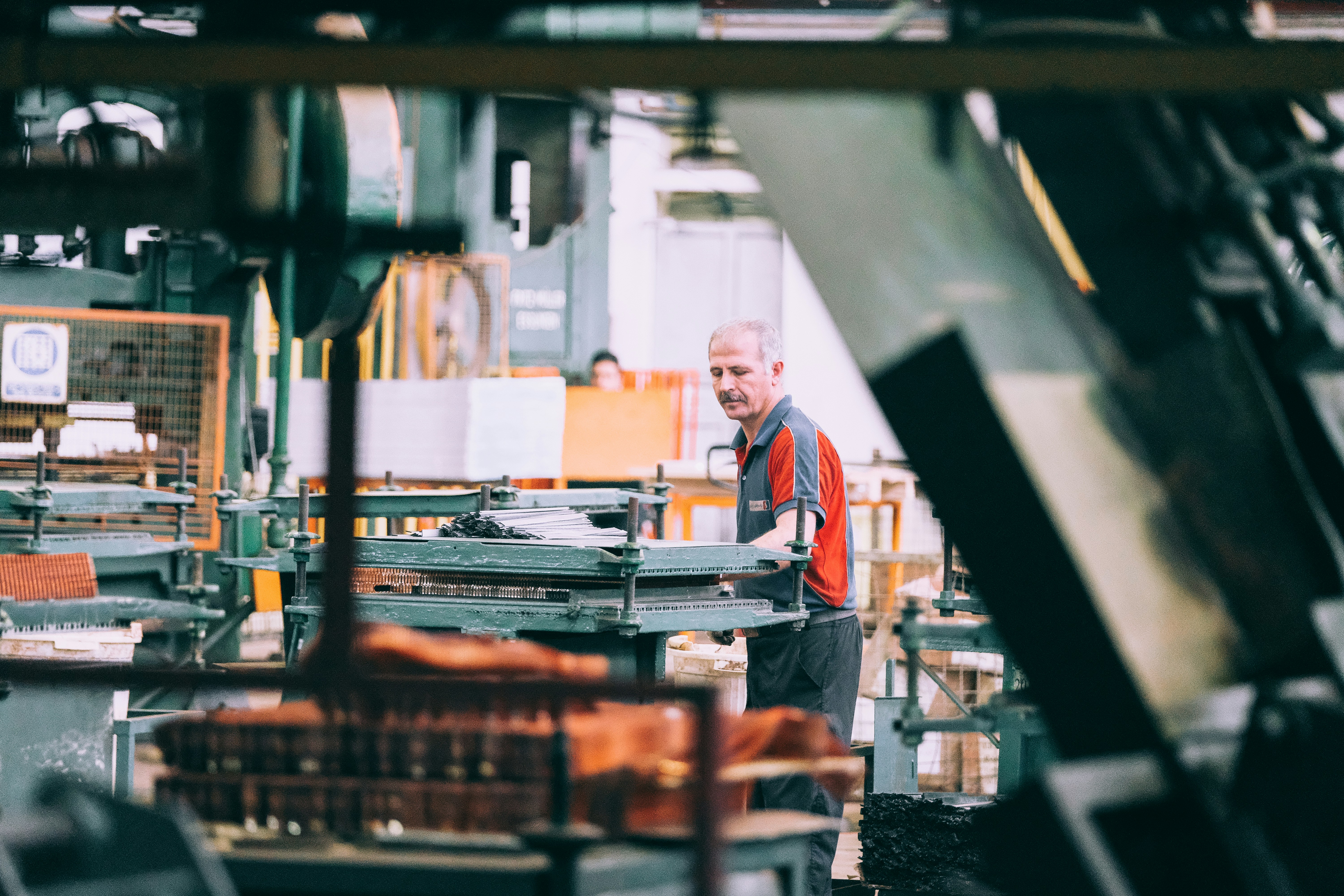
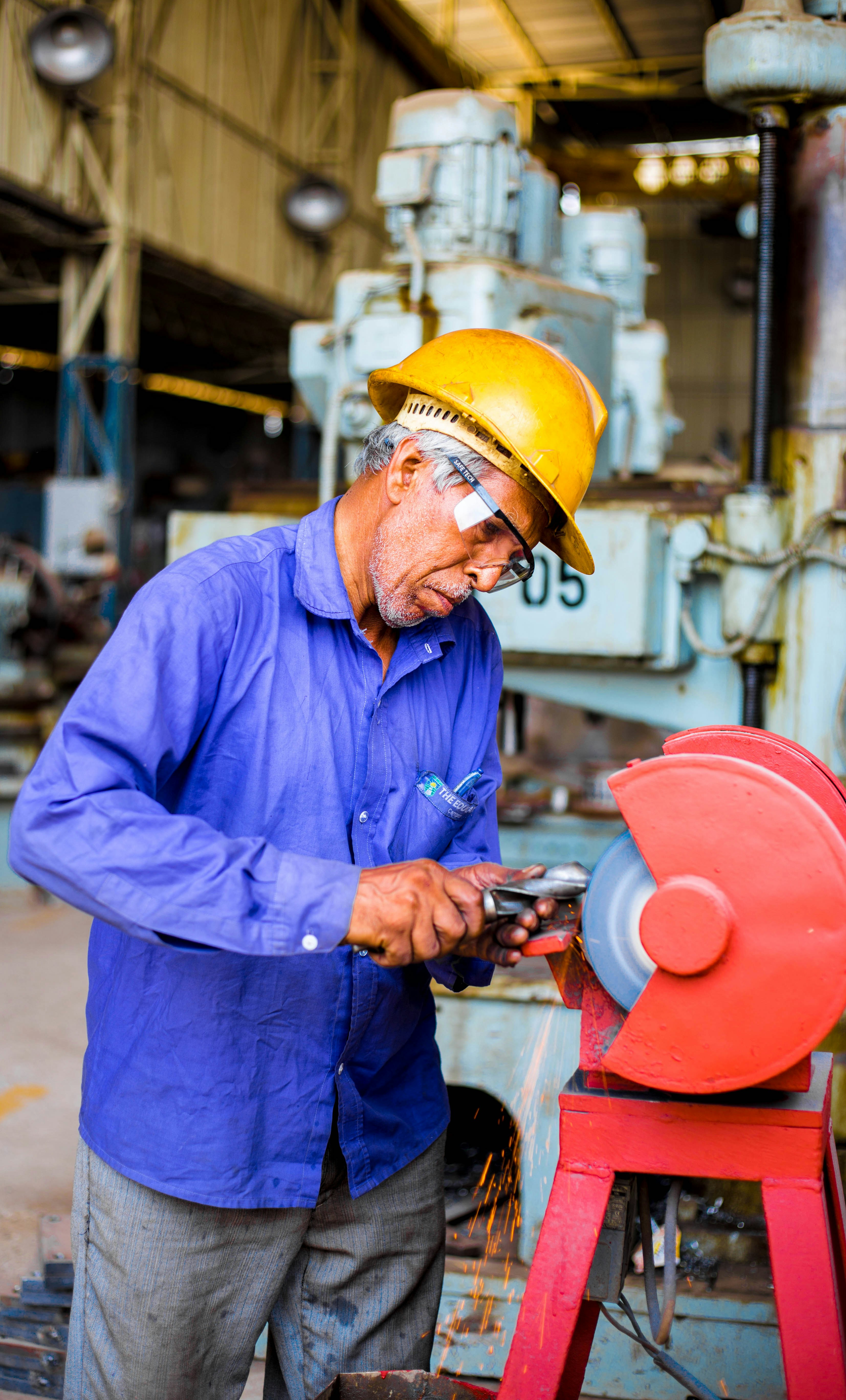
Manufacturing process engineering workflowFactory floor worker operating heavy machinery

proof.

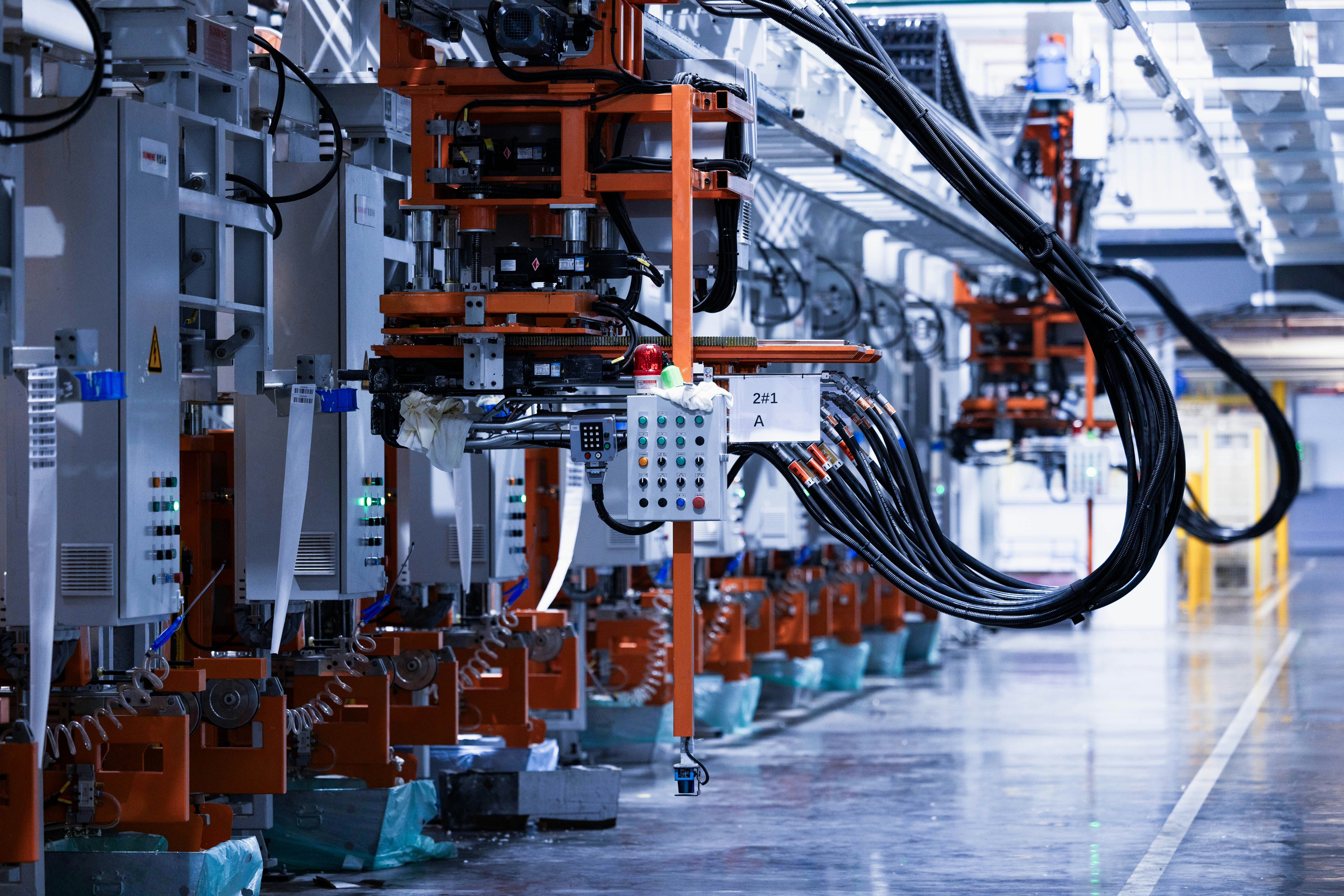
Automated robotic production line with press stations

Protect throughput before it stalls.

Move repeated documentation, materials follow-up, and shift coordination work out of overloaded production teams.

map plant drag →

Stabilize the handoff layer.

Use Human + Machine staffing to support material flow, quality checks, safety records, and operator follow-through.

book demo →
Machinist operating bench grinder on factory floor
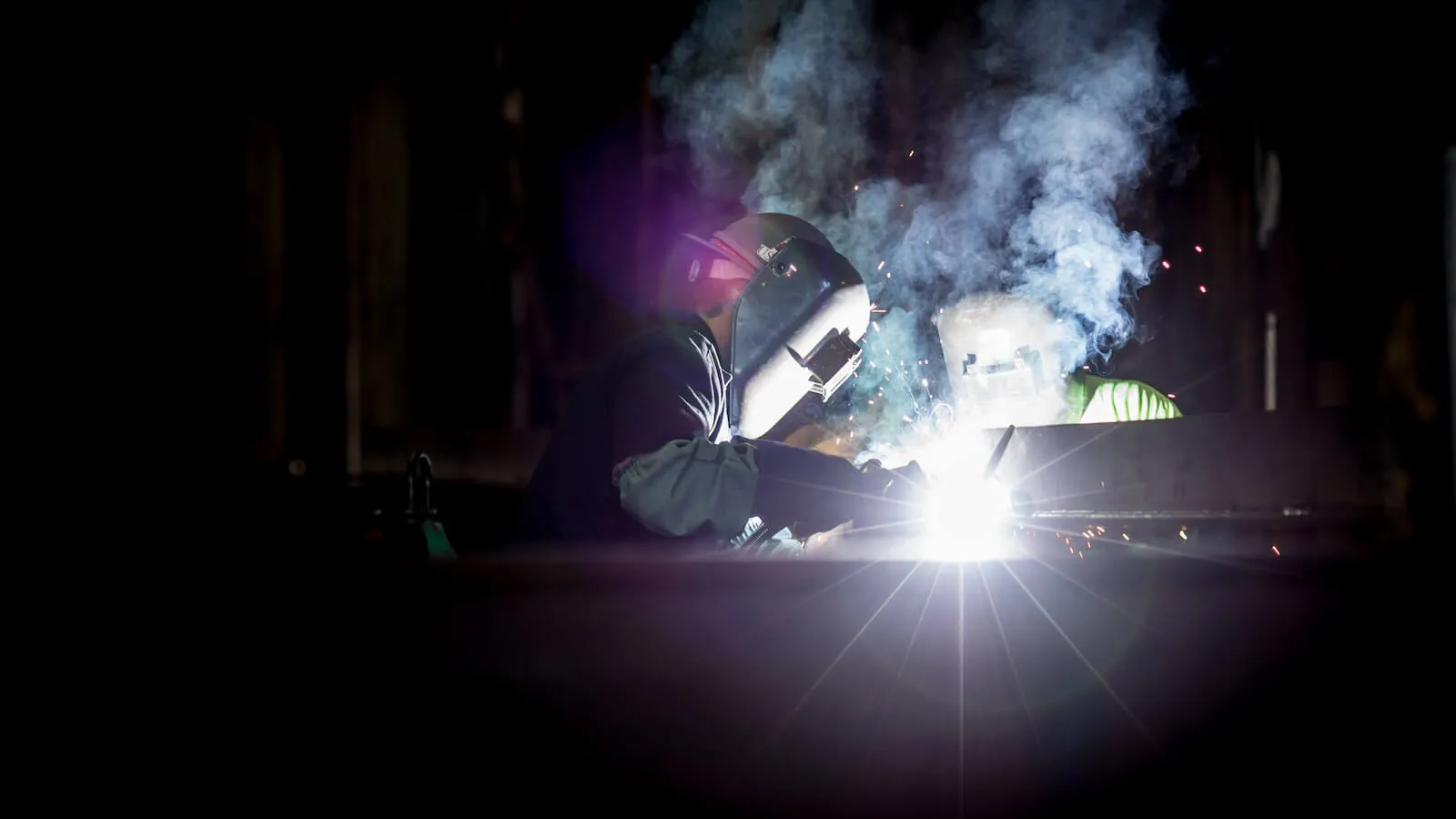
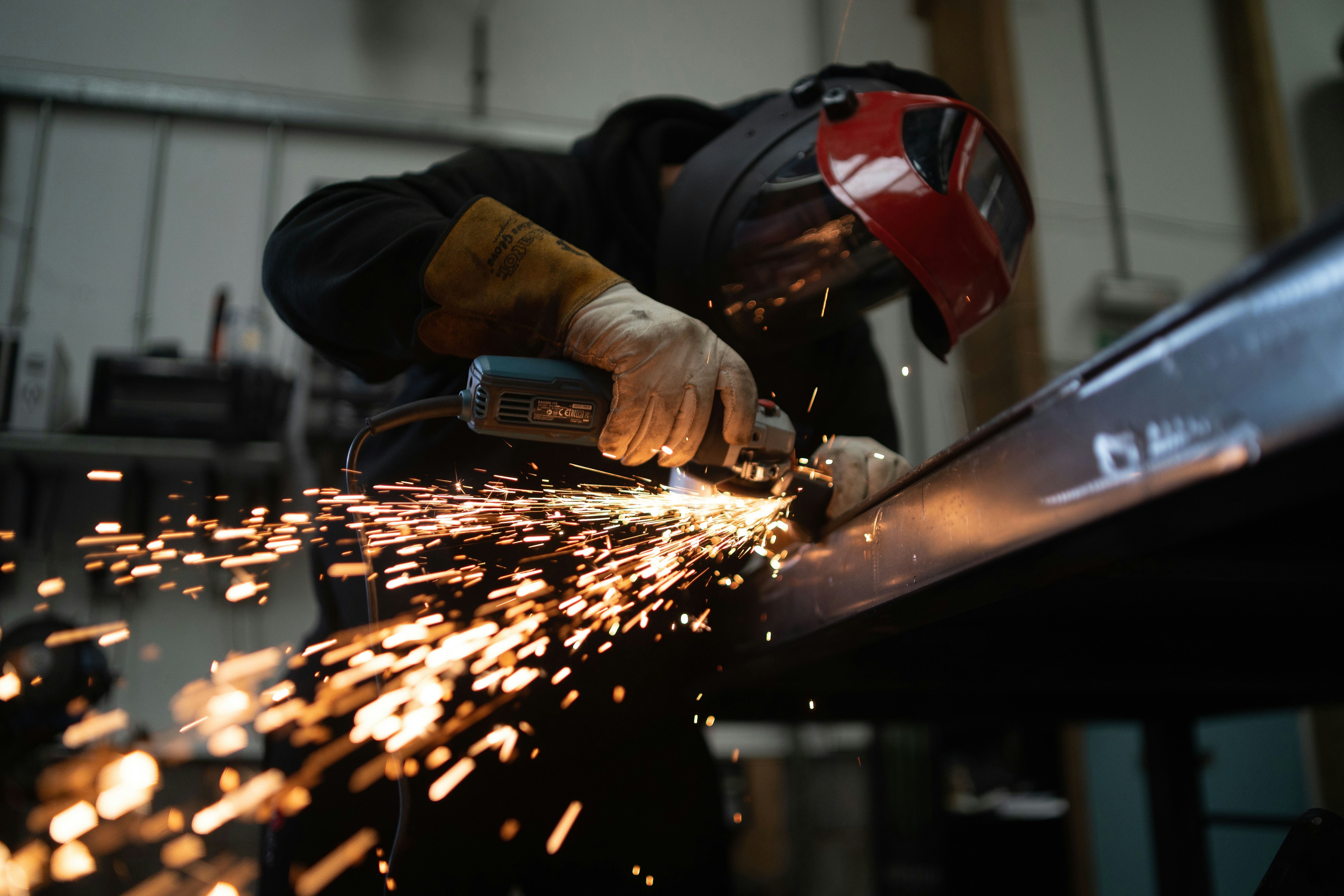
Metal fabricator grinding steel with sparksManufacturing technician and quality workflow

answer first

TL;DR: Jo fixes manufacturing labor bottlenecks by protecting material flow, shift handoffs, and production documentation.

Jo is a Human + Machine staffing company for manufacturers. The manufacturing solution starts with LaborMap, identifies where plant work stalls, and designs a staffed work model that keeps production accountability human while machine execution supports repeatable tasks.

What does Jo do for manufacturing labor bottlenecks?

Jo maps where plant capacity is being lost to materials handling, shift handoffs, quality checks, safety records, temp labor churn, and documentation, then designs a Human + Machine staffing model around the constraint.

How does LaborMap help manufacturers?

LaborMap identifies the recurring production constraint, separates accountable human work from repeatable execution work, and ties the fix to throughput, quality, safety, coverage, and cost recovery.

What work should stay human in manufacturing operations?

Production accountability, quality judgment, safety escalation, process ownership, and operator relationships stay with humans. Repeatable materials follow-up, recordkeeping, routing, and status work can be supported by machine execution with human oversight.

What outcomes should manufacturing leaders expect?

The target outcomes are smoother material flow, fewer shift handoff misses, stronger quality and safety documentation, better throughput protection, and lower operating drag.

Last updated: May 14, 2026

next step

Start with a manufacturing LaborMap™

See where materials, labor, quality, safety, and handoffs are slowing the plant.

© 2026 Jo. All rights reserved.

JJo qubitfrom